Tuesday, July 28, 2026

* All product/brand names, logos, and trademarks are property of their respective owners.
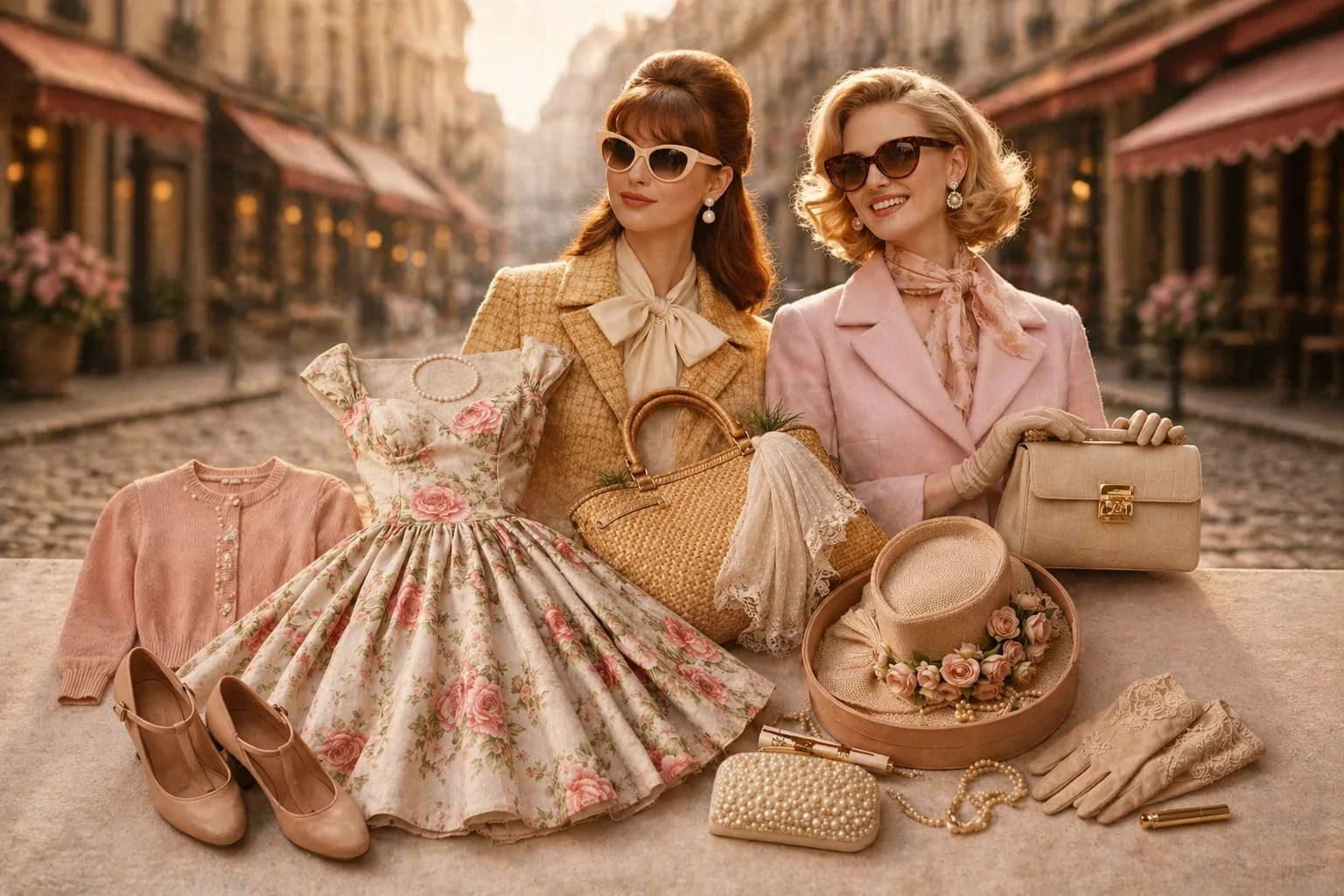
Vintage fashion has a way of pulling you in. Maybe it’s the charm of a perfectly tailored 50s dress, the effortless cool of 90s denim, or the bold confidence of 80s silhouettes. Whatever the reason, more people today are turning to retro-inspired outfits—but there’s one common problem: how do you actually wear vintage styles without looking like you stepped out of a costume party?
That’s exactly where this vintage fashion guide comes in.
Instead of copying old looks head-to-toe, modern vintage styling is all about balance. It’s about taking the best elements from the past and blending them into your everyday wardrobe in a way that feels natural, current, and personal.
In this guide, you’ll learn how to style retro looks in a way that feels fresh, wearable, and completely your own whether you’re just starting out or refining your style.
Before styling anything, it helps to understand what you’re actually wearing.
Vintage fashion refers to original pieces from past decades. These are real garments that were made years ago—like a 70s blouse or a 90s slip dress.
Retro fashion is different. It’s modern clothing designed to look like it came from another era.
| Term | What It Means | Example |
|---|---|---|
| Vintage | Original item from a past era | A real 1980s blazer |
| Retro | New item made in an old style | A modern dress with a 60s-inspired print |
| Thrifted | Secondhand item bought used | A pre-owned denim jacket from any year |
In real life, you’ll probably mix all three—and that’s exactly how it should be.
Why Vintage Fashion Still Works Today
Vintage style keeps coming back for a reason—it offers something modern fashion often doesn’t: character.
When trends start to feel repetitive, vintage pieces bring back detail, shape, and individuality. Even a single retro item can completely change the feel of an outfit.
It also helps you avoid looking like everyone else.
The truth is, modern fashion already borrows heavily from the past. So when you wear vintage-inspired pieces today, you’re not out of place—you’re just styling them more intentionally.
This is where everything changes. If you follow these rules, vintage fashion becomes easy.
Always balance older pieces with something current.
This keeps your look grounded.
Fit matters more than anything.
A good fit makes old pieces look new again.
Avoid wearing everything loose or everything tight.
Balance creates structure.
Your hair, makeup, and accessories should feel current.
This contrast is what makes vintage work today.
Every decade has its own personality. The trick isn’t to copy it exactly—but to adapt it in a way that fits today’s style.
Here’s a simple breakdown to help you understand each era and how to actually wear it now.
| Era | Key Style Elements | How to Wear It Today |
|---|---|---|
| 50s | Feminine silhouettes, midi dresses, fitted waists | Pair a midi skirt with sneakers or a basic tee |
| 60s | Mod style, bold prints, shift dresses | Keep it minimal with neutral shoes and simple hair |
| 70s | Flared pants, boho vibes, earthy tones | Style flares with fitted tops or cropped jackets |
| 80s | Oversized blazers, shoulder pads, bold colors | Tone down with jeans and simple basics |
| 90s | Minimalism, denim, slip dresses | Easy everyday looks with modern layering |
The 50s are all about flattering shapes cinched waists, flowy skirts, and elegant cuts.
How to wear it today:
This keeps the look wearable instead of overly dressed-up.
The 60s brought shorter hemlines, geometric prints, and a more playful feel.
How to wear it today:
The goal is modern simplicity with a retro twist.
This era is known for flared trousers, boho fabrics, and warm tones.
How to wear it today:
Balance is key so it doesn’t feel costume-like.
Think oversized blazers, strong shoulders, and statement pieces.
How to wear it today:
Let one bold item carry the outfit.
The 90s are the easiest to wear today because they already feel modern.
How to wear it today:
This era blends naturally into everyday fashion.
When you understand each decade like this, styling becomes much easier. You’re not guessing—you’re choosing elements that already work and adjusting them to fit your lifestyle.
You don’t need a full vintage wardrobe. Just mix smartly.
Keep things simple and intentional.
Small changes can modernize anything.
Vintage fashion isn’t about going backwards it’s about moving forward with better style choices.
You don’t need a perfect wardrobe or expensive pieces. You just need a sense of balance. One good vintage item, styled the right way, can completely transform how your outfit feels.
This vintage fashion guide gives you the foundation but your personal style is what brings it to life.
Start small. Try different combinations. Keep what works.
Over time, you won’t just wear vintage you’ll make it your own.

No bio available yet.
Planning a wedding in Pakistan in 2026 is exciting, but it can also get stressful very fast. There i
14 April 2026
Be the first to share your thoughts
No comments yet. Be the first to comment!
Share your thoughts and join the discussion below.