Tuesday, July 28, 2026
* All product/brand names, logos, and trademarks are property of their respective owners.
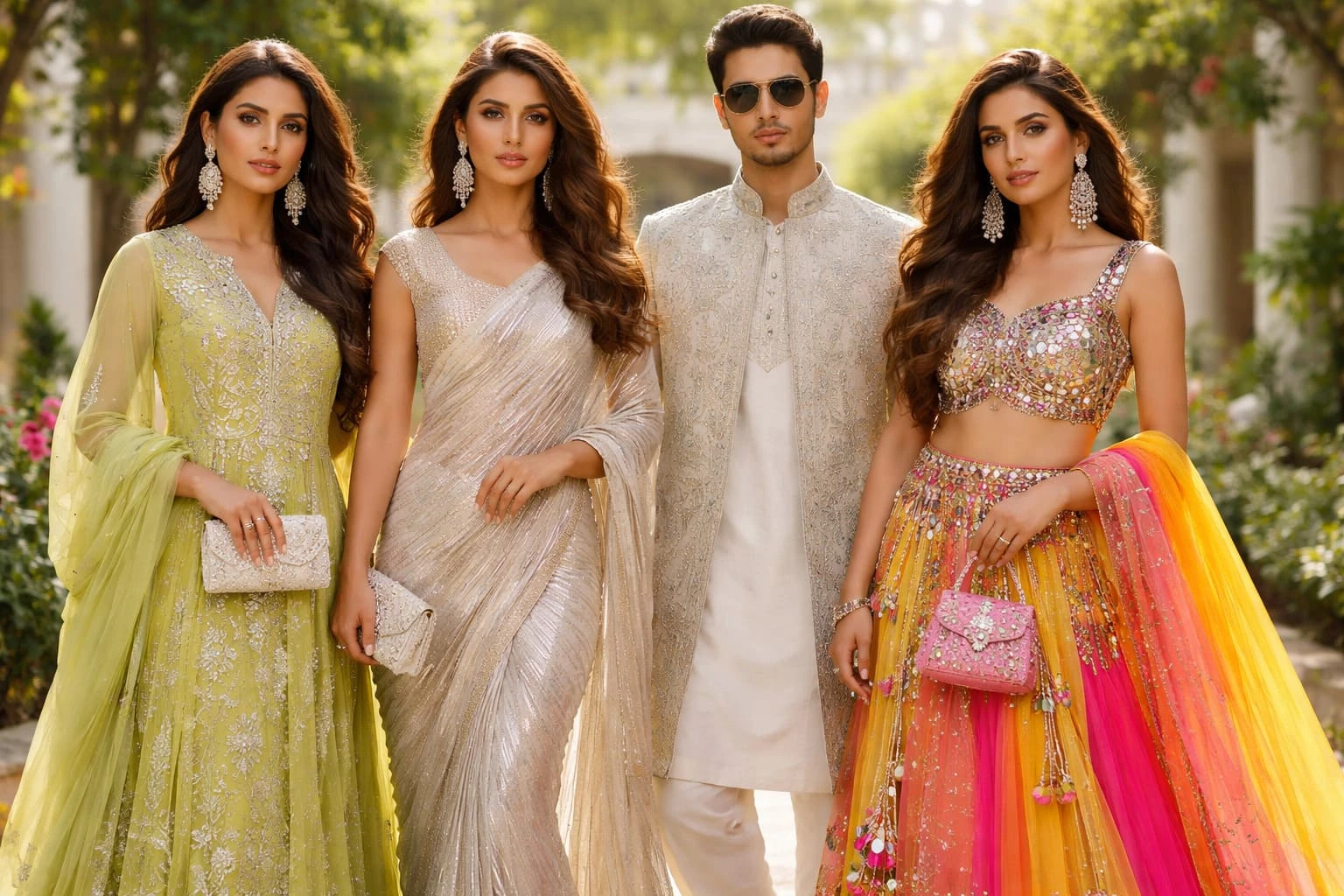
Pakistani fashion is stepping into 2026 with a fresh, exciting energy—and it’s not just about what’s trending on the runway anymore. This year, style is becoming more personal, more wearable, and a lot more expressive. From revived classics like the farshi shalwar to modern co-ord sets and comfort-first festive wear, the focus is shifting toward outfits people can actually wear in real life, not just admire online.
What makes Pakistani fashion trends 2026 stand out is how effortlessly they blend tradition with modern lifestyles. You’ll see timeless fabrics and cultural silhouettes reimagined in ways that feel lighter, more practical, and more in tune with everyday needs—whether it’s dressing up for Eid, heading to university, or putting together a polished office look.
At the same time, social media, influencers, and retail-friendly fashion weeks are playing a big role in shaping what becomes popular. Trends are no longer limited to designer circles—they’re quickly adapted into ready-to-wear pieces that are accessible to everyone.
In this blog, we’re not just listing trends. We’re breaking down 15 styles everyone will actually be wearing in 2026, along with why they’re gaining popularity and how you can style them in your own way.
Pakistani fashion in 2026 is being shaped by a mix of culture, convenience, and confidence. People still love traditional clothing, but they want it to fit into modern life more easily. That is why so many trending looks right now feel familiar, yet updated. The cuts are softer, the styling is simpler, and even festive wear is becoming easier to carry.
One big reason behind this shift is the rise of ready-to-wear fashion. More shoppers now want outfits they can buy quickly, style easily, and wear more than once. Instead of only investing in heavily formal pieces, people are leaning toward clothes that work across different settings. A kurta can be styled for brunch, Eid lunch, or even the office with just a few changes in accessories.
Social media is also playing a huge part. Trends move faster than ever because influencers, celebrities, and fashion creators showcase new looks daily. A style seen at a wedding, fashion week, or Eid photoshoot can turn into a mass trend within days. This has made fashion feel more accessible and more interactive.
At the same time, there is a clear move toward blending tradition with modern styling. Pakistani women are not giving up cultural silhouettes. They are simply wearing them in fresher ways. Classic pieces like dupattas, shalwars, handwork, and long shirts are returning, but with cleaner styling, new fabrics, and more practical cuts. That balance is exactly what makes 2026 fashion feel exciting.
The farshi shalwar is making a strong return, and this time it feels more wearable than ever. Once seen mostly in bridal or heavily formal looks, it’s now being styled in lighter fabrics and simpler designs. The relaxed, flowing silhouette gives it a graceful yet comfortable feel.
Where to wear: Eid, weddings, formal dinners
Styling tip: Pair it with a shorter kameez and minimal jewelry to keep the look balanced
Matching sets are everywhere in 2026. They’re easy, stylish, and require almost no effort to put together. From printed lawn sets to solid silk co-ords, this trend is all about convenience without compromising style.
Where to wear: Casual outings, university, travel
Styling tip: Add chunky sandals or a sleek bag to elevate the look instantly
This trend brings back elegance in a very effortless way. Long kurtas paired with straight pants create a clean, elongated silhouette that works for almost everyone.
Where to wear: Office, family gatherings, semi-formal events
Styling tip: Stick to soft fabrics like lawn or khaddar for everyday wear
Dupattas are no longer just an add-on—they’re becoming the highlight of the outfit. Think bold prints, heavy borders, organza layers, or vibrant colors that instantly upgrade even the simplest outfit.
Where to wear: Eid, dinners, festive occasions
Styling tip: Keep the outfit simple and let the dupatta stand out
Pastels continue to trend, but in 2026 they’re paired with unexpected bold touches—like bright dupattas, statement sleeves, or contrasting embroidery.
Where to wear: Day events, brunches, summer wear
Styling tip: Mix one pastel base with one bold element to avoid overdoing it
This combination is gaining popularity for its modern, flattering look. It balances structure with comfort and works across different age groups.
Where to wear: Casual meetups, semi-formal settings
Styling tip: High-waisted trousers help define the shape better
Heavy embroidery is taking a step back for daily fashion. Instead, people are choosing subtle detailing that looks polished but not overdone.
Where to wear: Office, daily wear, casual events
Styling tip: Neutral tones work best with minimal embroidery
From puff sleeves to bell sleeves, dramatic cuts are adding personality to simple outfits. Even a basic kurta can look trendy with the right sleeve design.
Where to wear: Parties, dinners, events
Styling tip: Balance bold sleeves with simpler bottoms
Wearing one color from head to toe is becoming a go-to styling trick. It looks clean, modern, and effortlessly put together.
Where to wear: Office, formal meetings, casual chic looks
Styling tip: Play with textures to add depth to a single-color outfit
Fabric choice is becoming just as important as design. Textured materials are being used even in simpler cuts to add richness without extra embellishment.
Where to wear: Formal events, evening wear
Styling tip: Let the fabric shine—avoid over-accessorizing
Blending Eastern cuts with Western elements is becoming more common. Think kurtas with blazers, sneakers with shalwar kameez, or belts over dupattas.
Where to wear: University, casual outings, creative workplaces
Styling tip: Start small—add one fusion element instead of mixing everything
Comfort is a priority in 2026. Sporty elements like loose fits, breathable fabrics, and practical cuts are influencing everyday Eastern wear.
Where to wear: Daily errands, travel, casual days
Styling tip: Pair with sneakers or flats for a relaxed vibe
Layering is becoming more popular, especially for transitional weather and festive styling. Light jackets and capes add depth without making the outfit heavy.
Where to wear: Evening events, winter gatherings
Styling tip: Keep inner layers simple to avoid bulk
There’s a renewed appreciation for heritage craftsmanship. Handmade details are being incorporated into modern cuts, making them feel fresh again.
Where to wear: Cultural events, festive wear
Styling tip: Choose one craft element as the focal point
Perhaps the biggest shift is this—people want to look dressed up without feeling uncomfortable. Lightweight fabrics, relaxed cuts, and breathable designs are redefining festive fashion.
Where to wear: Eid, weddings, long events
Styling tip: Prioritize fabric and fit over heavy embellishment
With so many Pakistani fashion trends 2026 making waves, it’s easy to feel like you need to try everything. But the truth is, not every trend will suit your lifestyle, body type, or daily routine—and that’s completely fine. The key is to choose what works for you, not just what’s popular.
Start by understanding what silhouettes make you feel comfortable and confident. For example, long kurtas with straight pants can create a taller, streamlined look, while short shirts with wide-leg trousers can add structure and balance. If you prefer flowy outfits, trends like farshi shalwar or layered looks might suit you better. The goal isn’t to follow rules—it’s to find shapes that feel right on your body.
Think about where you’ll actually wear the outfit. Heavy sleeves and textured fabrics might look great, but they’re better suited for events or dinners rather than everyday wear. For daily use, co-ord sets, minimal embroidery, and sporty Eastern wear are more practical. For Eid or weddings, you can lean into statement dupattas, traditional crafts, or comfort-first festive styles.
Not every trend requires a designer outfit. Many popular styles—like co-ords, monochrome looks, or fusion wear—are easily available in affordable ready-to-wear collections. If you want to invest in something more premium, go for timeless trends like traditional craftsmanship or high-quality fabrics that you can re-wear in different ways.
At the end of the day, trends should feel like options, not pressure. Pick a few that match your personality and build your wardrobe around them.
Staying stylish in 2026 doesn’t mean following every trend—it’s more about how you wear what you choose. Pakistani fashion right now is all about ease, personality, and smart styling, so a few simple tweaks can make a big difference.
If your outfit has one strong element—like a statement dupatta or dramatic sleeves—keep the rest of the look minimal. This helps your outfit feel polished instead of overwhelming. For example, pair a bold dupatta with a plain kurta rather than mixing multiple heavy elements together.
It’s tempting to combine multiple trends at once, but that can make your outfit look cluttered. Instead, pick one or two trends and build your look around them. You could try a monochrome outfit with a textured fabric, or a co-ord set with a modern cut. Small combinations work best.
No matter how popular a trend is, if the fit isn’t right, it won’t look good. Well-fitted clothes instantly make even the simplest outfits look stylish. Whether it’s a relaxed co-ord or a structured kurta, tailoring and fit should always come first.
Accessories can completely change the feel of your outfit. Swap heels for sneakers to make a look more casual, or add statement earrings to dress it up. Even a simple bag or dupatta style can shift your entire vibe.
Trends come and go, but your personal style stays. Choose pieces that reflect your comfort and personality. When you feel good in what you’re wearing, it naturally looks better.
Pakistani fashion in 2026 is shaping up to be stylish, expressive, and much more wearable than before. The biggest shift is not just in what people are wearing, but in how they are wearing it. Trends are moving away from looks that feel overly formal or hard to carry, and toward outfits that blend comfort, personality, and cultural charm more naturally.
From the return of the farshi shalwar to the rise of co-ord sets, statement dupattas, soft pastels, and comfort-first festive wear, this year’s style direction offers something for almost everyone. Some trends are perfect for daily life, while others are ideal for Eid, weddings, dinners, or office wear. That is what makes Pakistani fashion trends 2026 so interesting. They are not limited to one type of woman or one type of occasion. They are flexible, practical, and easy to adapt to your own taste.
The best way to approach these trends is not to copy every look you see online. Instead, pick the styles that match your lifestyle, body type, and comfort level. Fashion always looks better when it feels personal.
2026 is the year to experiment a little, style things your own way, and wear trends that actually fit your life.

Feroza Arshad is a writer and content creator covering a range of subjects including news and current affairs, automobiles, sports, technology and coding, digital marketing, and Google and search trends. Her work appears across several blogs and publications. She focuses on clear, well-researched, and genuinely useful writing — breaking down developments, reviewing products, and explaining technical topics in plain language anyone can follow.
Be the first to share your thoughts
No comments yet. Be the first to comment!
Share your thoughts and join the discussion below.