Tuesday, July 28, 2026
* All product/brand names, logos, and trademarks are property of their respective owners.
One beauty trend managed to make looking polished seem almost accidental. Suddenly, social feeds were full of glowing skin, brushed-up brows, glossy lips, and slicked-back buns that looked simple enough to copy in five minutes. That was the power of Nude makeup. It didn’t scream for attention, but it was everywhere.
What made it stand out was how effortless it looked. Unlike the full-glam era that came before it, Nude makeup promised something softer and more believable: a fresh face, a healthy glow, and the illusion that you naturally looked that put together. It felt less like “doing makeup” and more like becoming the best version of yourself.
That idea spread fast. TikTok turned the look into a daily ritual, influencers made it aspirational, and celebrities helped turn it into a beauty standard. Very quickly, Nude makeup became more than a passing trend. It became part of a bigger shift toward minimalism, skincare-first beauty, and curated “effortless” living.
So how did such a subtle look become the biggest beauty trend online? The answer has a lot to do with timing, social media, and the appeal of looking naturally perfect.
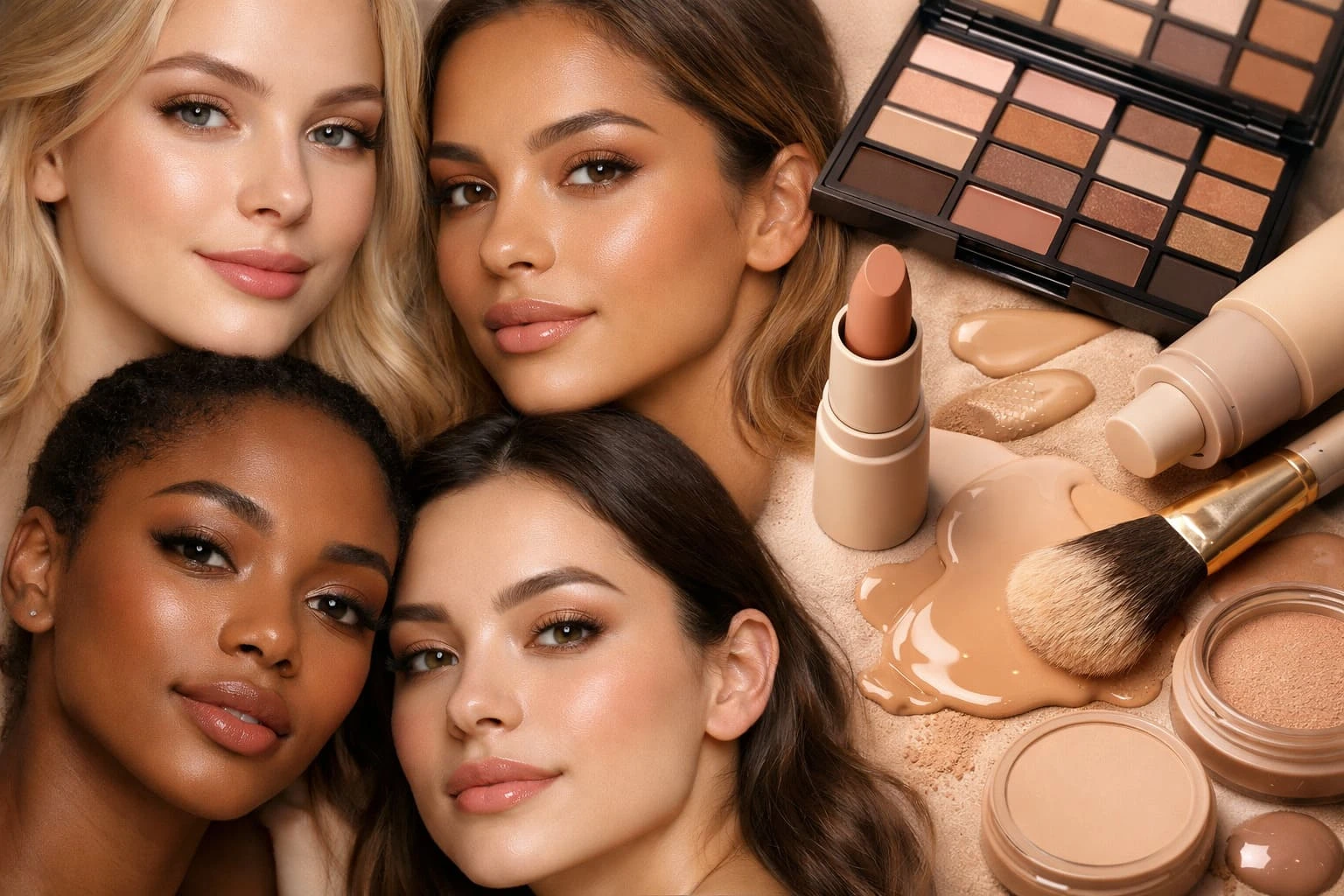
At its core, Nude makeup is a minimal makeup style built around fresh, healthy-looking skin. The goal is not to look fully made up. It is to look naturally polished. Instead of full-coverage foundation, sharp contour, or dramatic eye makeup, the look usually focuses on lightweight base products, soft concealer, cream blush, brushed-up brows, mascara, and a glossy lip. The finish is usually dewy, smooth, and understated.
That simplicity is a big part of why the trend caught on. The makeup itself feels easy to wear and easy to recognize. You can spot it almost instantly: glowing skin, neutral tones, and features that look enhanced rather than reshaped. It gives the impression that the person is not wearing much makeup at all, even though the final look is often very intentional.
But nude makeup was never just about makeup. It became part of a wider aesthetic. The slicked-back bun, gold hoop earrings, simple outfits, skincare-heavy routines, and “put together” energy all helped define the trend. That is also why it spread so quickly online. People were not only copying products or techniques. They were buying into a full image one that felt neat, calm, expensive, and effortless.

Nude makeup did not become huge just because it looked nice. It arrived at exactly the right time. Beauty trends had already started moving away from the heavy, full-glam style that dominated the mid-to-late 2010s. For years, the ideal look meant full-coverage foundation, sharp contour, bold brows, dramatic lashes, and a very finished face. Then tastes began to shift. More people started wanting makeup that looked lighter, fresher, and easier to wear every day.
At the same time, skincare was becoming more central to beauty culture. Instead of covering the skin, people were becoming more interested in showing it off. Words like “glowy,” “healthy,” and “radiant” started replacing “matte” and “full coverage.” That change made nude makeup feel modern. It matched a beauty mindset that valued skin texture, natural features, and subtle enhancement.
That mix made the trend almost impossible to resist. Nude makeup felt current, wearable, and in sync with a bigger cultural mood. It offered a softer answer to beauty fatigue, while still giving people the polished look social media rewards.
Nude makeup may have arrived at the right moment, but TikTok and Instagram are what pushed it into the mainstream. These platforms did more than show the look. They helped shape it, repeat it, and turn it into something people saw every day. On TikTok, short beauty videos made the routine feel quick, satisfying, and easy to copy. On Instagram, the trend fit perfectly into polished selfies, skincare shelf photos, and carefully styled lifestyle content.
A big reason the look spread so fast is that it works well visually. Glowy skin, brushed brows, soft blush, and glossy lips all show up clearly on camera. The transformation is subtle, but still noticeable enough to be engaging. It feels achievable while still looking aspirational, which is exactly the kind of content people save, share, and recreate.
Repetition also helped. Across TikTok and Instagram, creators kept posting similar routines, product lineups, and finished looks. Over time, that consistency made Nude makeup feel less like one trend and more like the beauty standard of the moment.
At the same time, both platforms linked the makeup to a certain lifestyle. It was not just about beauty. It was about looking organized, healthy, calm, and effortlessly put together. That made the trend feel bigger than makeup alone, which is exactly why it became so powerful.

Social media gave nude makeup speed, but celebrities and influencers gave it status. Once well-known faces started wearing the look, it stopped feeling like just another online trend and started feeling like the beauty standard everyone wanted to copy. Hailey Bieber is one of the clearest examples. Her glowing skin, soft makeup, and slicked-back hair became closely tied to the Nude image, and that look quickly spread across beauty content online.
Influencers helped make it feel more reachable. Celebrities made the aesthetic desirable, but creators made it repeatable. They showed the products, the routines, the lighting, and the little details that made the look seem simple enough for anyone to try. That mix was powerful. People were not only inspired by famous faces. They were also watching everyday creators recreate the same polished finish at home.
At the same time, the trend benefited from the way online beauty culture works. When a certain face style keeps appearing again and again, it starts to look normal, then ideal. Nude makeup fit that cycle perfectly. It looked natural, but still elevated. It felt relaxed, but still carefully styled.
That balance is what made celebrity and influencer culture so important to the trend’s success. They helped turn nude makeup into more than a look people admired. They turned it into a look people expected to see everywhere.

Nude makeup became massive because it offered more than a beauty look. It sold a feeling. The style looked simple, fresh, and controlled, which made it appealing at a time when many people were tired of heavier, more complicated routines. It suggested that looking polished did not have to mean looking overdone.
Another reason people connected with it is that it seemed achievable. Full glam can feel intimidating because it often requires skill, time, and a long list of products. Nude makeup looked easier. A few cream products, brushed brows, lip gloss, and glowing skin felt much more realistic for everyday life. Even when the look was carefully done, it gave off the impression of low effort, and that made it inviting.
It also matched a bigger shift toward minimalism and quiet luxury. People were becoming more drawn to beauty and fashion that looked expensive without being loud. Nude makeup fit that mood perfectly. It was understated, neat, and subtle in a way that felt modern.
At the same time, the trend gave people a version of aspiration that felt close enough to reach. You did not need dramatic colors or bold artistry to take part. You just needed to look healthy, calm, and put together. That balance made the trend easy to admire and even easier to want for yourself.

No bio available yet.
Makeup trends come and go, but the goal always stays the same—looking confident, fresh, and pu
21 April 2026
Be the first to share your thoughts
No comments yet. Be the first to comment!
Share your thoughts and join the discussion below.