Tuesday, July 28, 2026

* All product/brand names, logos, and trademarks are property of their respective owners.
Not long ago, fashion felt like a race no one could really win. One week it was loud logos, the next it was hyper-feminine bows, then suddenly everyone was chasing another microtrend that looked dated almost as fast as it arrived. That constant cycle is part of why so many women are looking in a different direction now. They are drawn to something calmer, cleaner, and more lasting. That is exactly where old money fashion for women has found new life.
What makes this comeback interesting is that it is not only about luxury. It is about mood. Old money fashion speaks to a desire for polish without noise, elegance without effort, and clothes that feel timeless instead of temporary. Fashion platforms are seeing that shift clearly. Lyst reported that even after the peak of “quiet luxury,” shoppers were still moving toward sleek, clean design across price points, with demand for minimalist brand COS rising 16% in one quarter. Pinterest’s 2024 trend report also pointed to nostalgia-driven, heritage-inspired dressing through its “eclectic grandpa” prediction, showing that classic, refined style codes are resonating again.
Women are not just falling for a look. They are falling for what the look represents: confidence, restraint, taste, and a wardrobe that does not beg for attention to make an impression. That deeper emotional pull is what makes this trend feel less like a passing phase and more like a reset.
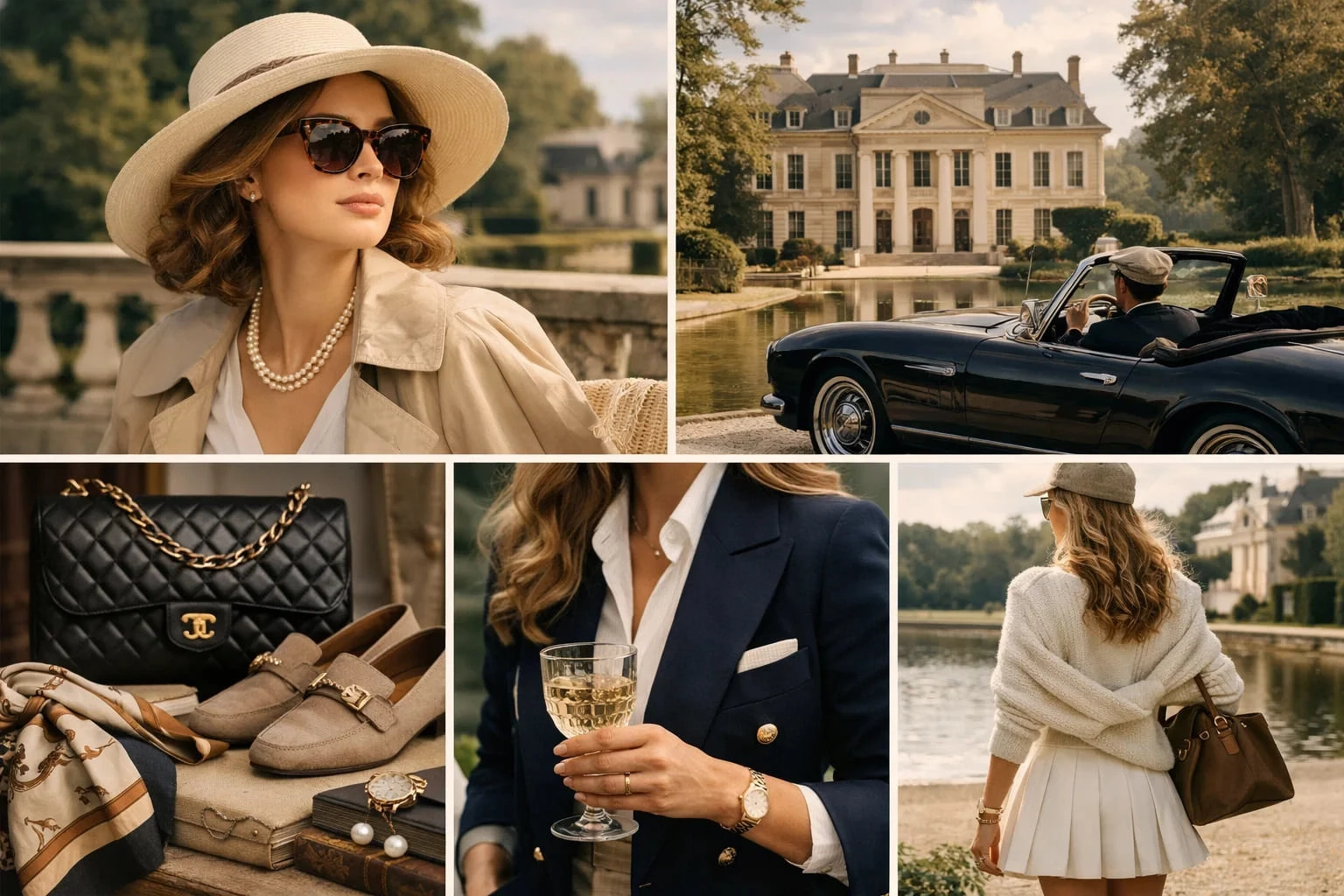
At its core, old money fashion is less about actual wealth and more about visual restraint. It leans on pieces that look polished, lasting, and quietly confident rather than obviously expensive. Think crisp shirts, well-cut trousers, loafers, fine knitwear, structured blazers, simple gold jewelry, and a color palette that rarely tries too hard. Fashion coverage around understated elegance keeps returning to the same idea: this style works because every detail feels considered, but nothing screams for attention.
That is also where people often confuse old money style, quiet luxury, and plain minimalism. They overlap, but they are not exactly the same. Quiet luxury is the modern fashion label most people know, especially after the trend spread across social media and celebrity style coverage. Old money fashion has a slightly more heritage-based feel. It borrows from country club dressing, prep, equestrian influences, classic tailoring, and the kind of wardrobe built over time instead of bought in one dramatic haul. Quiet luxury helped bring that mood back into the mainstream, but the appeal of old money fashion runs deeper because it suggests permanence, not just trend awareness.
The biggest difference between this look and flashier fashion is its relationship with status. Newer, louder luxury often relies on logos, obvious labels, or attention-grabbing styling. Old money fashion does the opposite. It communicates taste through fabric, fit, grooming, and simplicity. That is why so many women find it attractive now. In a style culture crowded with overstatement, this aesthetic feels composed, mature, and surprisingly refreshing.

Old money fashion did not return on its own. Social media gave it a huge push. A big reason for that was the rise of quiet luxury. Once that phrase entered the fashion conversation, more women started paying attention to clothing that looked refined rather than flashy. Lyst’s Q4 2024 index noted that even after the loudest phase of the quiet luxury wave had passed, shoppers were still actively drawn to sleek, clean design across price points. The same report said demand for COS, a brand known for modern minimalist pieces, rose 16% that quarter. That matters because it shows the appetite for polished, understated fashion did not disappear when the buzzword cooled down. It stayed.
Pinterest also captured a similar mood through its “eclectic grandpa” prediction for 2024, which pointed to rising interest in heritage-inspired staples like loafers, knitwear, watches, and vintage-leaning pieces. Even though that trend has its own playful twist, it still reflects the same broader pull toward classic, familiar, well-built style.
Quiet luxury gave people an easier language for a style they were already noticing. Not everyone would call their outfit “old money,” but many understood the appeal of clean tailoring, muted colors, and quality basics. In that sense, quiet luxury worked like a bridge. It took a once-exclusive-looking aesthetic and translated it into something more wearable and widely understood. Lyst’s data suggests that minimalist dressing continued attracting shoppers even after the phrase itself stopped feeling brand new.
What makes this even more interesting is how strongly it has connected with younger women. That might sound surprising at first, because old money fashion is built on timelessness, not novelty. But that is exactly the point. Younger women have grown up in the fastest trend cycle fashion has ever seen, so a style built on repetition, quality, and personal polish can feel refreshing rather than boring. Pinterest’s own trend reporting tied heritage-style dressing to both Gen Z and Boomers, which suggests this interest is crossing generations instead of staying locked into one age group.
That is why this revival feels bigger than a passing aesthetic. It is not just being worn. It is being shared, saved, and built into the way women think about style again.

Part of the reason this style is returning so strongly is simple: it makes real-life sense.
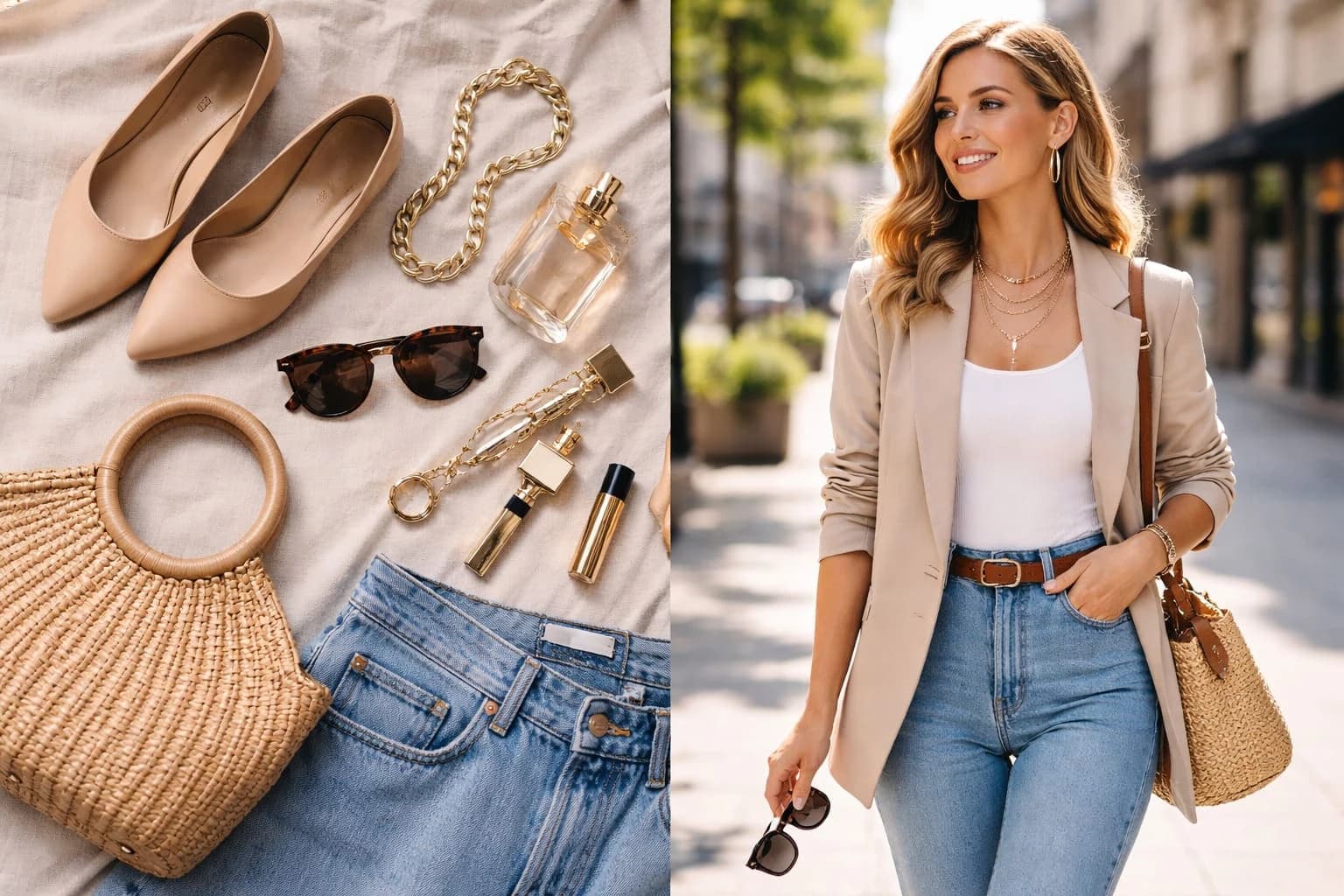
A lot of fashion trends look exciting online but do not hold up in everyday life. They photograph well, they get attention, and then they disappear. Old money fashion works differently. It is built around pieces women can actually wear again and again without feeling repetitive. A tailored blazer, straight-leg trousers, a fine knit, a structured handbag, a white button-down, classic flats — these are not one-season items. They stay useful.
That practicality matters more now because many shoppers are becoming more careful about where their money goes. McKinsey’s State of Fashion 2024 highlighted ongoing pressure on consumers and a stronger focus on value, which helps explain why timeless wardrobe staples feel more appealing than trend-driven impulse buys. When women invest in clothing today, many want versatility, not just novelty.
There is also a mindset shift happening. Instead of buying five things that only work for one moment, more women would rather buy one or two pieces that can be styled in different ways. That is one of the strongest appeals of old money fashion. It encourages a wardrobe where everything has a purpose.
And honestly, that feels freeing.
When your wardrobe is built around solid basics, you spend less time wondering what matches, what still looks current, or what will already feel outdated next month. You know the clothes will work. That reliability creates peace, and that peace is part of the luxury.

Old money fashion is not coming back in isolation. It fits into a much bigger cultural shift.
A lot of women are rethinking not just how they dress, but how they live. There is more interest now in slower routines, intentional shopping, cleaner spaces, and choices that feel less chaotic. Fashion naturally reflects that. When life feels overstimulated, people often start craving simplicity in visible ways. Clothes become one of the easiest places to express that change.
That is part of why old money fashion feels so current. It matches a lifestyle that values calm over excess. The pieces associated with it are steady, functional, and easy to return to. They do not rely on shock value. They fit into everyday life in a way that many trend-driven outfits do not.
Another reason women are connecting with this look is that personal style has become less about impressing other people and more about feeling aligned with yourself. That may sound small, but it changes everything.
Old money fashion gives off a certain message. It says you value quality, not clutter. You notice details. You do not need to chase every new thing to feel stylish. For many women, that feels more authentic than dressing for attention or algorithm approval.
There is something quietly rebellious about wearing timeless clothes in a culture built around constant newness. It suggests confidence, but not performance. It says you know what suits you, and you are not in a rush to replace it.
That is why this aesthetic keeps landing so well. It is elegant, yes, but it is also emotionally believable. It fits the lives of women who want to feel composed, intentional, and comfortable in their own skin.
It may not stay popular under the exact same name, but the core of it is very likely to last.
That is because women are not only responding to a visual trend. They are responding to values: timelessness, quality, versatility, and emotional ease. Those ideas do not disappear just because social media finds a new phrase. Even now, fashion reporting continues to show that shoppers are becoming more value-conscious, while luxury and fashion brands are dealing with consumers who are thinking harder about what deserves their money. McKinsey’s State of Fashion 2025 says industry conditions remain difficult and consumer sentiment is still under pressure, which usually pushes people toward smarter, longer-wearing choices rather than throwaway buying.
That does not mean every part of the “old money aesthetic” will stay frozen in place. The internet will keep renaming it. One season it may be quiet luxury, another season heritage dressing, timeless style, polished basics, or refined minimalism.
So yes, the hashtag may cool down. The aesthetic may evolve. But the reason women keep returning to it is stronger than trend language. It offers a kind of style that feels calm, capable, and lasting and that never really goes out of fashion.

When you look at it closely, the return of old money fashion for women is not really about clothes alone. It is about a shift in how women want to feel when they get dressed.
After years of fast-changing trends, loud styling, and constant pressure to keep up, this aesthetic offers something different. It feels calm. It feels reliable. It feels like you can step into your wardrobe and know that what you wear will still make sense tomorrow, next month, even next year.
That is a powerful feeling.
What makes this trend stick is not just its clean lines or neutral tones. It is the mindset behind it. Choosing quality over quantity. Choosing pieces that last. Choosing simplicity that does not need validation. These are decisions that go beyond fashion and reflect a more intentional way of living.
And maybe that is why so many women are connecting with it right now. It does not demand perfection. It does not chase attention. It simply allows you to show up looking polished, without overthinking it.
In the end, old money fashion is not about pretending to belong to a different world. It is about creating a style that feels steady, confident, and truly your own. And that is something that will always stay relevant, no matter what the next trend happens to be.

No bio available yet.
Be the first to share your thoughts
No comments yet. Be the first to comment!
Share your thoughts and join the discussion below.