Tuesday, July 28, 2026


* All product/brand names, logos, and trademarks are property of their respective owners.
For years, people have argued about streetwear vs classic style like one of them has to win for everyone. But that is what makes the debate a little misleading. Most people are not standing in front of their wardrobe asking a fashion-theory question. They are asking something much more real: What actually feels right on me? What works for my daily life? What makes me look good without feeling like I am trying too hard?
That is why this comparison still matters. Streetwear speaks to comfort, personality, and cultural energy. It feels relaxed, current, and easy to live in. Classic style offers something different. It gives you polish, structure, and pieces that usually survive trend cycles better than fast-moving hype. Current fashion coverage shows both directions still matter in 2026: sporty silhouettes and street-driven dressing remain strong, while loafers, pumps, tailoring, and other refined staples are also having a major moment. In other words, fashion is not moving in one direction only. The line between casual cool and timeless polish is getting blurrier.
So the better question is not which style is more fashionable. It is which one gives you more confidence, more value, and more room to be yourself. That is where the real answer starts.
Streetwear did not become popular just because it looks cool. It took off because it feels connected to real life. You can move in it, layer it easily, and wear it in a way that feels personal instead of overly planned. Hoodies, cargos, oversized tees, sneakers, varsity jackets, and relaxed denim all carry that easy energy. For a lot of people, that comfort is the biggest reason streetwear keeps winning. It fits the way modern life actually works: commuting, studying, hanging out, traveling, and switching plans without needing a full outfit change.
But comfort is only part of the story. Streetwear also gives people room to show identity. It is tied to music, skate culture, sports, youth movements, and internet culture, so it often feels more expressive than traditional dressing. That is one reason younger audiences keep coming back to it. Even as fashion shifts, casual pieces and sporty silhouettes remain a strong part of the conversation, which shows streetwear is not some passing phase that disappeared after one trend cycle. Current runway and fashion coverage still point to relaxed, athletic, and hybrid dressing as a major influence.

Classic style survives every fashion cycle for one simple reason: it keeps working. A good blazer, clean trousers, a crisp shirt, a well-cut coat, loafers, simple denim, and neutral knitwear do not need a big explanation. They just make you look pulled together. That is the power of timeless dressing. It does not rely on the excitement of the moment as much as it relies on balance, fit, and consistency.
That is also why classic style often feels easier to trust. You can wear it to work, dinners, family events, travel days, and even casual plans if you dress it down the right way. In 2026, fashion coverage is still pushing refined staples like loafers, pumps, tailored layers, and intentional wardrobe basics, which says a lot about how strong classic style remains even in a trend-driven market. Vogue’s recent coverage highlights sporty silhouettes and casual influences, but it also points to wardrobe essentials, sleek loafers, pumps, and polished layering as major parts of the current style picture.
The biggest advantage of classic style is long-term value. A well-made coat or versatile pair of loafers can stay relevant for years, while trend-heavy pieces often peak fast and then feel dated. Classic style may not always feel as loud or instantly expressive as streetwear, but it often wins on dependability. And for a lot of people, that quiet confidence matters more than chasing what is hot this month.
| Aspect | Streetwear | Classic Style |
|---|---|---|
| Best for | College campus, casual workdays, running around the city | Meetings, dinners, family events, interviews, polished social settings |
| Everyday feel | Easier and more natural for daily movement | More intentional and put-together |
| Typical pieces | Sneakers, hoodies, relaxed trousers, bombers, roomy layers | Clean shirts, structured blazers, tailored trousers, loafers, sharp coats |
| Ease of styling | Low effort, easy to throw on without overthinking | Requires a bit more planning for a polished look |
| Practical appeal | Comfortable, relaxed, and flexible | Smart, refined, and dependable |
| Current relevance | Sporty silhouettes, sweatshirts, relaxed layering, and casual street styling remain strong | Loafers, pumps, and reclaimed classics are back at the center of modern style |
| Main advantage | Feels relevant, comfortable, and effortless in real life | Looks sharper, safer, and smarter in formal or semi-formal situations |
| Overall impression | Casual, youthful, and relaxed | Polished, timeless, and modern when styled well |

This is the part most articles ignore, but it is probably the most important one. Clothes are not just about how they look. They are about how they make you feel when you walk into a room.
For a lot of people, streetwear feels natural. You put on a hoodie, relaxed pants, and sneakers, and you instantly feel like yourself. There is no pressure to look perfect. That ease translates into confidence because you are not constantly adjusting your outfit or worrying about how you are coming across. Especially in casual environments, streetwear can make you feel more relaxed, more social, and more present.
On the other hand, classic style creates a different kind of confidence. It is quieter, but often stronger. When you are wearing a well-fitted blazer, clean shoes, and structured pieces, you tend to carry yourself differently. You stand straighter, speak more clearly, and feel more prepared. That is why classic style often works better in situations where first impressions matter. It gives you a sense of control and intention.
For a long time, people treated streetwear and classic style like opposites. You were either the hoodie-and-sneakers person or the blazer-and-loafers person. But that way of thinking does not really match how people dress anymore.
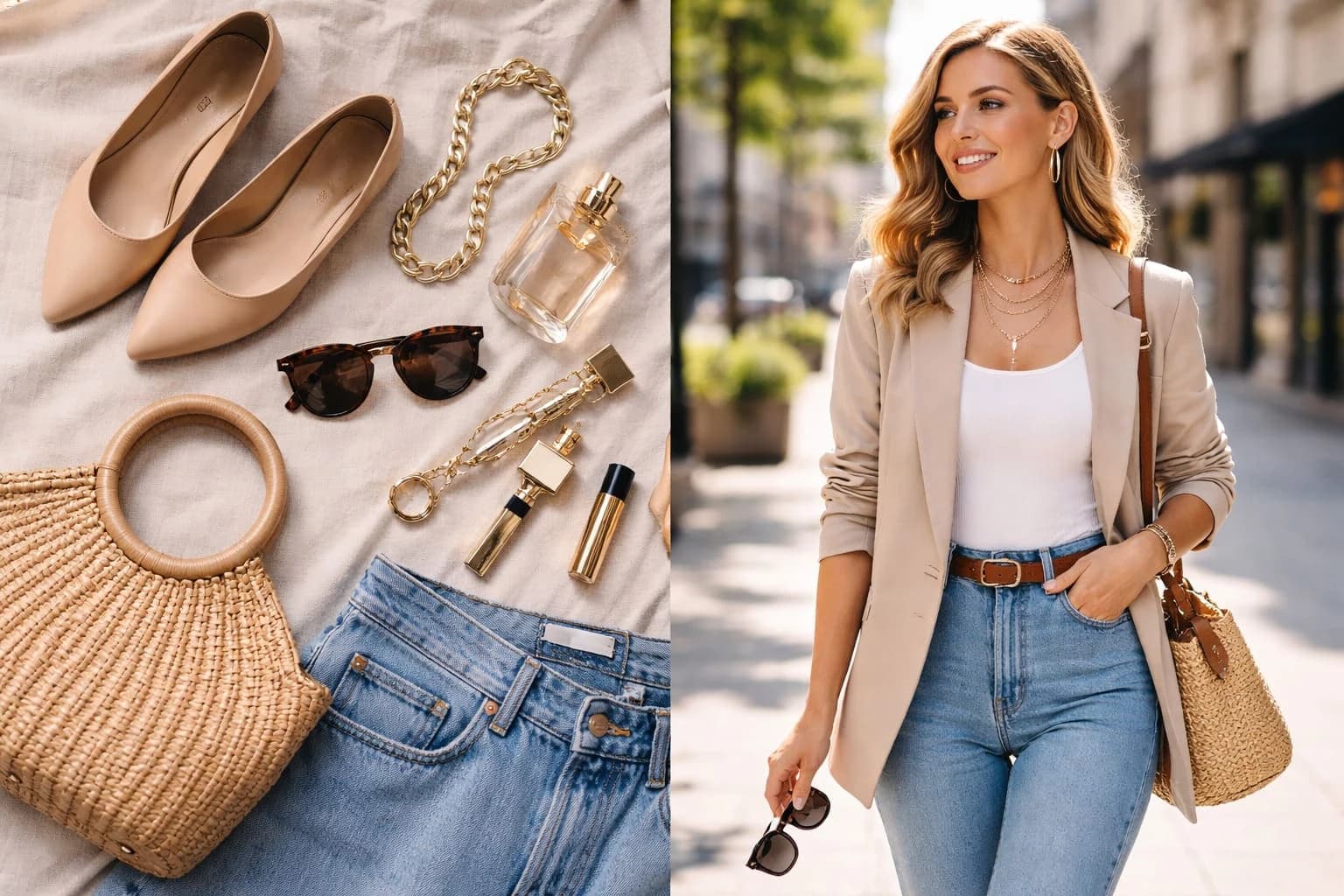
Right now, some of the most interesting outfits come from mixing both styles. You might see someone wearing tailored trousers with a hoodie, or a clean blazer paired with sneakers. That balance creates a look that feels modern without trying too hard. It takes the comfort of streetwear and combines it with the structure of classic pieces.
The reason this works so well is simple: it solves the weaknesses of both styles. Streetwear on its own can sometimes look too casual or unstructured. Classic style, on the other hand, can feel too formal or predictable. When you combine them, you get something more flexible. You look put together, but still relaxed.
If you want to try this without overthinking it, start small:
The key is balance. You do not want everything oversized or everything tailored. A mix of both usually looks more natural.
This hybrid approach is also more realistic for everyday life. You can go from casual plans to slightly formal settings without changing your entire outfit. And that is why more people are moving in this direction. It feels practical, modern, and personal at the same time.

At this point, the honest answer becomes pretty clear: there is no single winner for everyone. But that does not mean the question has no answer. It just means the winner depends on what you value most in your daily life.
If you care about comfort, freedom, and self-expression, streetwear has the edge. It fits naturally into modern routines, especially if your day involves movement, casual plans, or creative environments. It lets you show personality without overthinking every detail. That is a big reason why it continues to dominate youth culture and everyday fashion.
On the other hand, if you value polish, versatility, and long-term reliability, classic style comes out stronger. It works across more situations without needing constant updates. You can wear the same core pieces in different settings and still look appropriate. That kind of flexibility is hard to beat, especially as your lifestyle becomes more structured.
But here is the part most people overlook:
the real winner is the style you can actually live in consistently.
Not the one that looks best on Instagram.
Not the one that is trending this month.
The one you can wear on a random Tuesday, a busy Friday, and an unexpected night out—without feeling uncomfortable or out of place.
For many people, that answer ends up being a mix. A wardrobe where you can switch between relaxed streetwear and clean, classic pieces depending on the situation. That is where style starts to feel effortless instead of forced.

So, when it comes to streetwear vs classic style, the answer is not as simple as picking one and ignoring the other. Both styles have proven their value, and both continue to evolve with how people actually live and dress today.
Streetwear gives you comfort, flexibility, and a strong sense of identity. It fits naturally into fast-moving, casual lifestyles where ease matters just as much as appearance. Classic style, on the other hand, offers structure, reliability, and a polished look that works across more situations without needing constant updates. One feels effortless and expressive, while the other feels refined and dependable.
But the real takeaway is this: style is not about choosing sides—it is about choosing what works for you.
Your daily routine, your environment, your confidence level, and even your personality all play a role in what will feel right. Some days, you might lean toward relaxed streetwear. Other days, you might want the sharpness of classic pieces. And most of the time, the best outfits will sit somewhere in between.
That is where modern style is heading anyway. People are no longer dressing by strict rules. They are building wardrobes that can adapt—mixing comfort with structure, trends with timeless basics, and personal taste with practicality.
If there is a “winner” in this debate, it is this:
the style that makes you feel comfortable, confident, and consistent in your everyday life will always come out on top.
And once you find that balance, you stop worrying about what wins—and start focusing on what works.

No bio available yet.
Most men keep buying clothes… yet still feel like they have nothing to wear. Your wardro
22 April 2026
Summer in Pakistan isn’t just warm — it’s intense. When temperatures cross 40°
22 April 2026
Be the first to share your thoughts
No comments yet. Be the first to comment!
Share your thoughts and join the discussion below.